Jelqing Side Effects: Can It Cause Permanent Damage?

Jelqing is a manual penis exercise that some men try to make their penis longer or thicker. It involves stroking the penis in a certain way to force more blood into it. The idea is that over time this might stretch the tissue. But there are risks. Jelqing side effects like pain, bruising, and nerve damage are real and often not talked about. Many men start jelqing thinking it’s safe because it doesn’t involve drugs or surgery. But just because it’s simple doesn’t mean it’s harmless.

What Is Jelqing?
Jelqing is done by making a circle with the thumb and finger, then slowly pulling from the base to the tip of a semi-erect penis. Lubricant is used to reduce skin friction. This is repeated for several minutes.
Some believe it increases penis size by expanding tissue and increasing blood flow. But there is no medical proof that it works.
Why This Matters
The penis is not like other parts of the body. It’s filled with tiny blood vessels and sensitive tissue. Stretching it the wrong way can lead to problems that may not go away.
What People Are Saying Online About Jelqing Side Effects
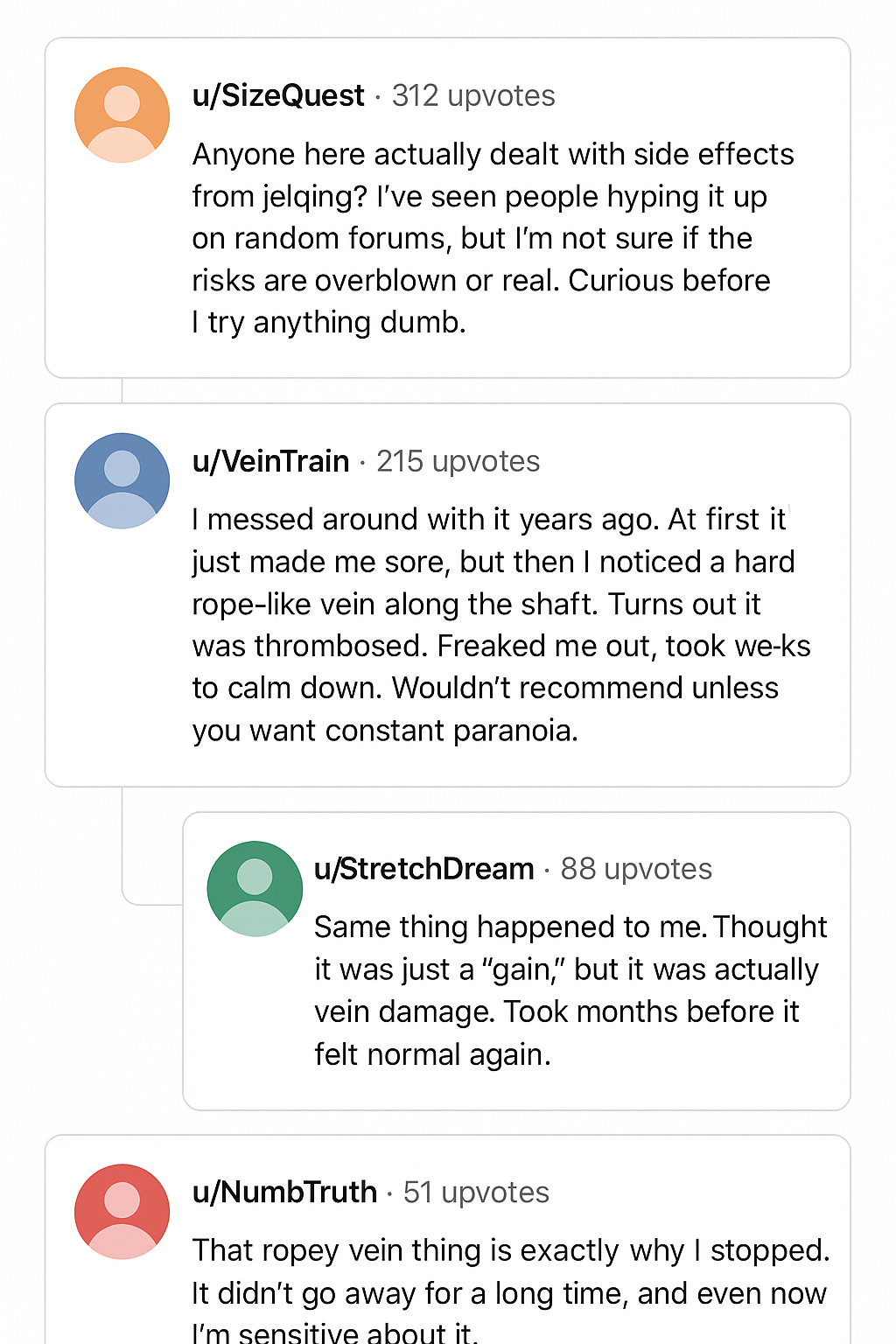
👉 Read the full online discussion page here
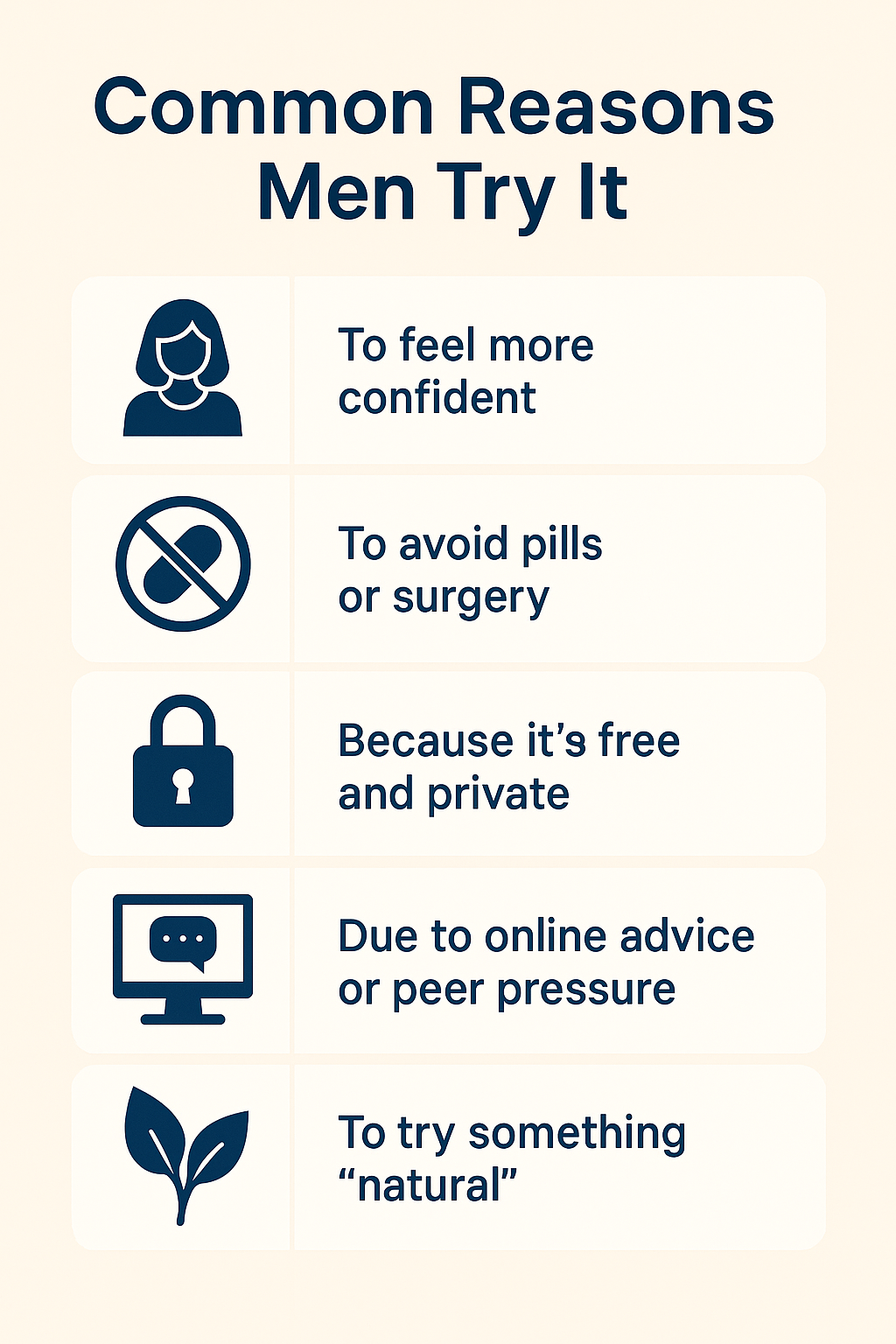
Why Men Try Jelqing
They Want a Bigger Penis
Many men feel small, even when they’re not. Porn, ads, and social media add to this pressure. Jelqing seems like a way to fix that without pills or surgery.
They Think It’s Safer
Since jelqing only uses the hands, many men think it’s low risk. It feels more natural than using pumps or getting surgery. But “natural” doesn’t always mean “safe.”
They See Success Stories Online
Online forums are filled with posts about men who say jelqing worked for them. Some even post photos. But very few talk about the jelqing side effects they faced. And almost none offer proof verified by doctors.
Doctors Don’t Recommend Jelqing
Most doctors warn against jelqing. It’s not based on science. There are no clinical studies proving it works. But there are medical reports of men getting hurt.
Jelqing seems easy. But the risks are often hidden until damage is done. In the next section, we’ll look closely at the most common jelqing side effects.
Jelqing Side Effects: From Mild to Serious Risks
Jelqing can seem harmless at first. It only uses the hands and doesn’t involve tools or drugs. But many men report negative effects after doing it. These jelqing side effects range from mild problems like soreness to more serious damage like nerve loss and erectile issues. Some effects go away with rest. Others don’t. This section breaks down the most common side effects, so you know what to watch for before it’s too late.
Mild Jelqing Side Effects
These are the early signs that jelqing may be harming your body. If ignored, they can turn into bigger problems.
1. Soreness and Pain
Most men feel some soreness after jelqing. This may feel like a deep ache or surface tenderness. It’s your body’s way of saying you’re doing too much or using too much pressure.
2. Red Dots or Bruising
Burst capillaries under the skin can cause red dots, usually near the head or shaft. These are signs of too much internal pressure. Bruising can follow if jelqing is too rough or done for too long.
3. Skin Irritation or Dryness
If you don’t use enough lubricant, the skin can get dry, cracked, or irritated. Over time, this may cause the skin to toughen or darken in color.
Moderate to Severe Jelqing Side Effects
These are the effects that can affect your health, function, and sexual confidence.
1. Vein Damage (Thrombosed Veins)
One of the most common serious problems is a hard, rope-like vein running along the penis. This is usually a thrombosed vein — a vein that’s been damaged or clotted from too much pressure. It can be painful and last for weeks or months.
2. Loss of Sensation
Some men report numbness after jelqing. This can be caused by nerve damage from too much stretching. Sensation may return with rest — or it may not.
3. Erectile Dysfunction
Damaged blood vessels or nerves can interfere with blood flow. Some men find it harder to get or keep an erection after jelqing. This can happen even if they felt fine in the beginning.
4. Penile Curvature or Scar Tissue
Repeated stress to the tissue can cause plaque to form. This can lead to a bend in the penis, known as Peyronie’s-like symptoms. In some cases, the bend gets worse with time or causes pain during sex.
Psychological Side Effects
Not all damage is physical. Jelqing can also affect how a man feels about himself.
1. Obsession with Size
Men who start jelqing may become fixated on results. They measure often and worry they’re not growing fast enough. This creates anxiety.
2. Body Image Problems
Instead of feeling better, some men start to hate how they look. They may compare themselves to others and feel “less than.”
3. Sexual Anxiety
Fear of not performing or not being “big enough” can make sex stressful. Some men avoid intimacy because of this.
These side effects aren’t just rare accidents. They happen to real men all the time. In the next section, we’ll look at medical studies and expert opinions about jelqing and its risks.
Jelqing Side Effects: What the Research Really Shows

A lot of men hear about jelqing on forums or YouTube. The posts often include big claims but little proof. When you look at actual medical research, there’s not much support for jelqing. Most doctors don’t recommend it. They warn that the risks are real and the results are not proven. In this section, you’ll find what the research says—and why it matters if you’re thinking about trying jelqing.
Why There’s So Little Research on Jelqing
Doctors haven’t studied jelqing much. Here’s why:
It’s not a standard medical practice
It started in online forums, not in labs or clinics
It’s hard to measure results in a scientific way
Few men report injuries to doctors, so the data is limited
Still, some studies have looked at damage from manual stretching or similar habits. These give insight into possible jelqing side effects.
Studies on Penis Traction Devices and Their Effects
While jelqing itself has no direct clinical studies, traction devices—another non-surgical method for penis enlargement—have been studied more thoroughly. These devices stretch the penis over time and offer a useful comparison to understand what medical research says about non-surgical enlargement methods and their limitations.
1. Traction Devices Can Increase Length with Long-Term Use
A 2011 study found that wearing a traction device for at least 9 hours per day over 3 months could increase penis length by up to an inch. This suggests that sustained mechanical stretching may have some effect on length, though it requires a significant time commitment.
2. Traction Devices May Rival Surgery as a First Treatment Option
Another 2011 study compared traction devices to surgical methods and found comparable results for some patients. The researchers recommended traction devices as a first-line treatment before considering surgery, emphasizing their less invasive nature.
3. Traction Devices Help Treat Deformities, Not Length or Girth
A 2013 study reviewed the effectiveness of traction devices and found they were useful in treating penis deformities like Peyronie’s disease but showed no clear evidence that they increased penis size in length or thickness.
4. Traction Devices Show No Significant Enlargement Effects
A 2016 study found no significant change in penis length or girth from traction device use and noted that more and larger studies are needed to confirm any benefits. This highlights the uncertainty surrounding non-surgical enlargement methods.
These studies show that while traction devices may have some use, especially for treating penile deformities, evidence for meaningful size increases is limited. Jelqing, which lacks scientific backing and involves more risk due to manual force, is even less supported by research. Understanding these facts can help men make safer and more informed choices.
What Doctors Say About Jelqing
Most urologists advise against jelqing. They say:
There’s no clinical proof it works
The risk of injury is higher than men think
Even mild damage can lead to long-term problems
Doctors often treat patients who tried jelqing and now suffer from numbness, vein issues, or weak erections. The damage can take months—or even years—to heal. Some effects don’t go away at all.
The Bottom Line from Research
There are no studies proving jelqing makes the penis longer or thicker. But there are studies and case reports showing that injuries from jelqing are real.
If you’re thinking about trying it, don’t go by forum posts alone. Look at the science. Talk to a doctor if you’re unsure. In the next section, we’ll explain how to stay safe—or stop completely—if you’ve already started jelqing.
Jelqing Side Effects: How to Stay Safe or Stop Before It’s Too Late
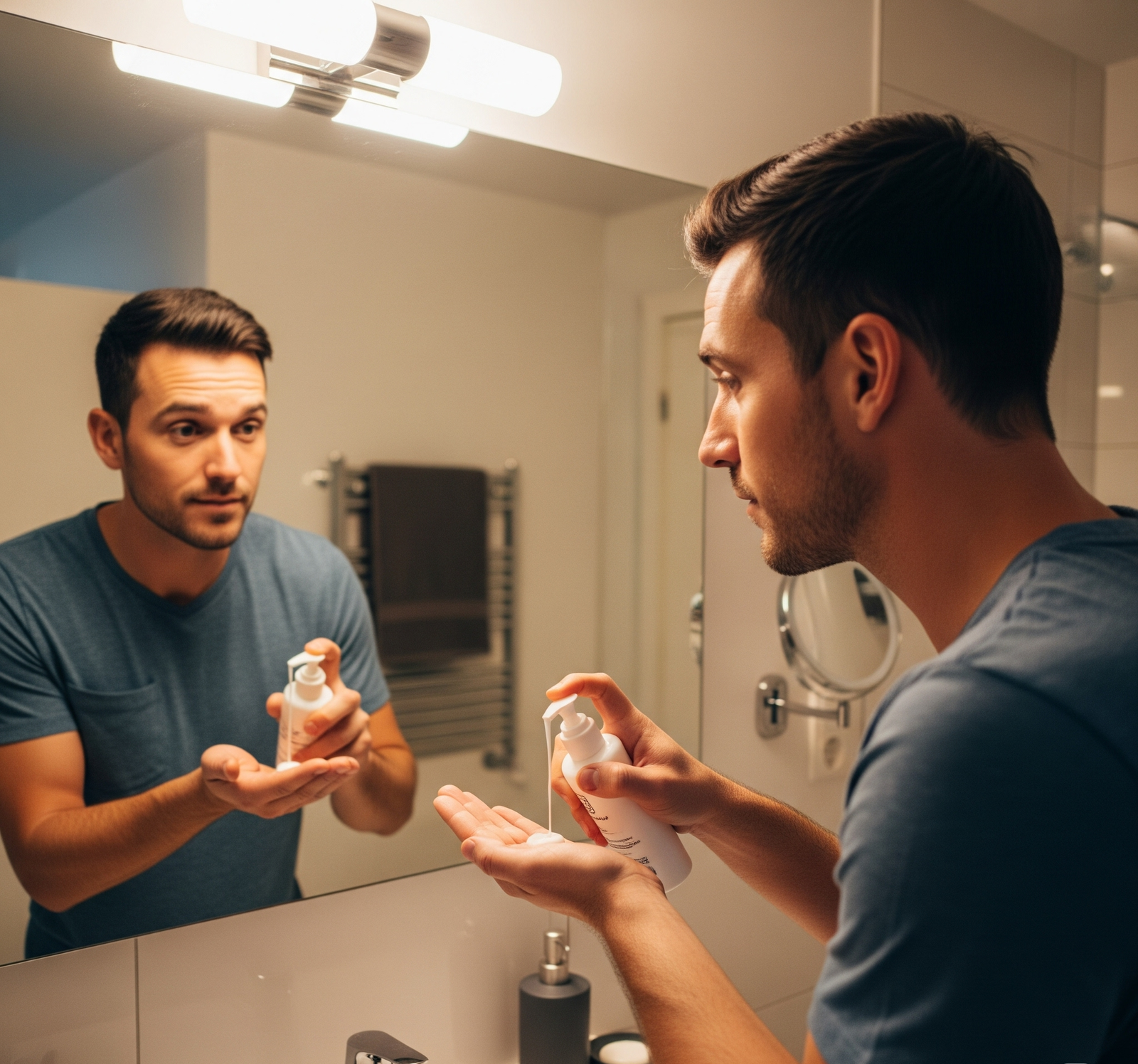
Many men start jelqing without knowing the risks. Some get lucky. Others don’t. By the time side effects show up, it can be too late. If you’re already jelqing—or thinking about it—this section explains how to protect yourself. It also covers when to stop and what safer options exist.
How to Reduce the Risk If You Keep Jelqing
If you still decide to jelq, use extreme caution. These steps may lower the chances of injury.
Use Lubrication Every Time
Dry jelqing leads to skin damage. Always use a water-based lube to reduce friction.
Warm Up Before You Start
Apply a warm towel to the area for 5–10 minutes. This helps blood flow and softens tissue.
Keep the Erection Partial
Jelqing on a full erection increases the chance of rupturing a vessel. Aim for 50–70% hardness.
Use Gentle Pressure
Pain is not part of jelqing. If it hurts, stop. The goal is light tension, not force.
Limit Sessions
Don’t jelq every day. Start with 2–3 times per week, no more than 5–10 minutes. More is not better.
When to Stop Jelqing Immediately
You should stop right away if you notice:
Numbness
Pain during or after jelqing
Discoloration or bruising
Sudden swelling
A hard vein or bump
Trouble getting an erection
These are signs of injury. The longer you continue, the worse it can get. If symptoms don’t go away in a few days, see a urologist.
Better and Safer Alternatives
You don’t need to risk injury to feel more confident. Here are safer ways to improve sexual health and satisfaction.
Penis Pumps
Medical-grade vacuum pumps can improve blood flow and support temporary enlargement. Some doctors use them for ED treatment. Use only FDA-approved pumps.
Stretching Devices
Penile extenders apply light tension over time. Some studies show small gains when used daily for several months.
Pelvic Floor Exercises
Kegels can strengthen the muscles that support erections. They also help with stamina and control.
Therapy or Counseling
Sometimes the problem isn’t physical. Talking to a therapist can help men deal with size anxiety or performance fears.
FAQ About Jelqing Side Effects
Q: Can jelqing cause permanent damage?
Yes. Nerve damage, vein issues, and curvature can be permanent in some cases.
Q: Is jelqing ever safe?
There is no version of jelqing that doctors call safe. If you still do it, be as gentle and limited as possible.
Q: How long do side effects last?
Minor effects may go away in days. Serious injuries can last months—or be permanent.
Q: Should I see a doctor if I notice problems?
Yes. A urologist can check for damage and may help prevent it from getting worse.